Five Ways Children Can Get More Involved in Their Local Community

Active community involvement is a powerful way for children to develop a sense of belonging, empathy, and civic responsibility. By engaging with their local community, children not only gain valuable life skills and experiences but also contribute to building a stronger and more vibrant society. In this post, we will explore five ways children can get more involved in their local community, fostering connections and making a positive impact.
1.) Volunteer for Local Organizations:

Encourage children to seek volunteer opportunities within local organizations that align with their interests and passions. Whether it’s volunteering at a community center, library, animal shelter, or food bank, children can contribute their time and skills to help others. Volunteering provides a hands-on experience, teaching children about the needs of their community and the power of collective action. It also cultivates empathy and a sense of fulfillment by witnessing the positive impact they can have on individuals and the community as a whole.

2.) Participate in Community Events:

Attending and participating in community events is an excellent way for children to engage with their local community. Encourage them to join in festivals, parades, markets, or fairs, which provide opportunities to connect with neighbors and learn about local traditions and cultures. Children can actively participate in these events by showcasing their talents, volunteering, or joining youth groups that organize community activities. By actively engaging in such events, children develop a sense of pride in their community and build lasting relationships with fellow community members.

3. Join Youth Organizations and Clubs:

Youth organizations and clubs provide a platform for children to collaborate with like-minded peers and work towards common goals. Encourage children to join clubs related to their interests, such as environmental clubs, youth councils, or social justice groups. These organizations provide a supportive environment for children to learn, share ideas, and take action on issues they care about. By actively participating in such groups, children develop leadership skills, build friendships, and make a tangible impact in their community.

4.) Support Local Causes:

Children can get involved in their local community by supporting and raising awareness for various causes. They can organize fundraisers, participate in charity runs or walks, or create awareness campaigns through social media or school projects. Children can identify causes that resonate with them, such as environmental conservation, supporting disadvantaged communities, or advocating for animal rights. By supporting local causes, children not only make a difference in the lives of others but also develop a sense of social responsibility and empathy.

5.) Engage in Community Improvement Projects:

Children can actively contribute to improving their community by participating in projects that address local needs. This could involve initiatives such as neighborhood clean-ups, planting trees, creating community gardens, or beautifying public spaces. Engaging in community improvement projects fosters a sense of ownership and pride in one’s surroundings. It also teaches children the importance of taking care of shared spaces and empowers them to be proactive agents of change.

By getting more involved in their local community, children become active participants in shaping the world around them. Through volunteer work, participation in community events, joining youth organizations, supporting local causes, and engaging in community improvement projects, children develop a deep sense of civic responsibility, empathy, and a commitment to making a positive impact. Encouraging children to be actively involved in their community not only benefits their personal growth but also strengthens the bonds and resilience of the community as a whole. Let us empower children to become catalysts for change and instill in them the belief that their actions, no matter how small, can create a better and brighter future for everyone

A Little Extra:

Here are 3 easy actions children can take around the home for more community involvement.

1.) Reduce, Reuse, and Recycle:

Children can become mighty eco-warriors by actively participating in waste reduction efforts. Encourage them to practice the 3 R’s: Reduce, Reuse, and Recycle. Children can start by reducing their consumption of single-use items like plastic bags and bottles. They can also reuse items creatively, such as repurposing old containers for storage or creating artwork from recycled materials. Sorting recyclables and ensuring they end up in the proper recycling bins is another impactful action. By practicing these habits, children contribute to waste reduction, conserve resources, and promote a cleaner environment.

2. ) Community Clean-up Initiatives:

Children can organize or participate in community clean-up initiatives within their neighborhood. Encourage them to gather a group of friends, family, or neighbors to pick up litter from parks, streets, or other communal areas. Providing them with gloves, trash bags, and a sense of responsibility for their surroundings helps instill a sense of ownership and pride in their community. By taking action to keep their neighborhood clean, children create a positive environment for everyone and inspire others to do the same.

3.) Acts of Kindness for Neighbors:

Children can make a mighty impact by showing acts of kindness towards their neighbors. Encourage them to engage in simple acts like helping an elderly neighbor with household chores, mowing a neighbor’s lawn, or walking a neighbor’s dog. They can also create handmade cards or small gifts to brighten someone’s day or assist in community projects like planting flowers or organizing a neighborhood food drive. These acts of kindness foster a sense of community, strengthen bonds between neighbors, and create a supportive environment where everyone feels valued.

By incorporating these additional actions into their daily lives, children can amplify their impact and contribute to a mighty future for their home and neighborhood. Empowering children with a sense of responsibility and providing opportunities for them to take action helps instill lifelong values of environmental consciousness, community engagement, and kindness towards others.

5 Cost-Free Activities for Families to Spend Quality Time Together

Spending quality time as a family is invaluable, strengthening bonds, creating lasting memories, and fostering a sense of togetherness. While outings and activities can be expensive, there are numerous ways to enjoy each other’s company without spending a dime. In this blog post, we will explore five cost-free activities that families can engage in to spend quality time together.

1.) Family Game Night:

Gather around the dining table or in the living room for a fun-filled game night. Dust off the board games, card decks, or puzzles that you already have at home. Engage in friendly competition, take turns choosing the game, and enjoy hours of laughter and bonding. Whether it’s a classic game of Monopoly, a fast-paced card game, or a challenging puzzle, family game nights are a fantastic way to strengthen relationships and create joyful memories.

2.) Outdoor Adventures:

Explore the great outdoors as a family. Take a nature walk in a nearby park, hike a local trail, or enjoy a picnic in a scenic spot. Discover the beauty of nature together, observe plants and wildlife, and engage in conversations about the environment. Outdoor adventures not only provide physical exercise but also offer opportunities for relaxation, exploration, and shared appreciation of the natural world.

3.) Movie Nights at Home:

Transform your living room into a cozy home theater for a memorable movie night. Select a favorite film or explore a new genre together. Create a comfortable seating area with blankets and pillows, dim the lights, and prepare some homemade popcorn or snacks. Enjoy the movie together, and afterward, discuss the storyline, characters, or any valuable lessons learned. Movie nights at home provide a relaxed and entertaining atmosphere for family bonding.

4.) Cooking or Baking Sessions:

Get everyone involved in the kitchen and embark on a culinary adventure together. Choose a recipe that interests the entire family, whether it’s baking cookies, making homemade pizza, or preparing a family recipe passed down through generations. Assign different tasks to each family member based on their age and abilities. Cooking or baking sessions offer opportunities to learn new skills, share family traditions, and enjoy the fruits of your collective efforts.

5.) Storytelling and Reading:

Unleash your imagination and storytelling skills with family storytelling or reading sessions. Sit in a comfortable spot, and take turns sharing stories, either made up or from books. Encourage creativity and engage in discussions about the characters, plot, and moral lessons. If your family enjoys reading, designate a regular time for quiet reading together. Whether it’s fantasy, adventure, or non-fiction, storytelling and reading sessions provide moments of connection and intellectual stimulation.

Spending quality time as a family doesn’t have to break the bank. Engaging in cost-free activities like family game nights, outdoor adventures, movie nights at home, cooking or baking sessions, and storytelling or reading sessions are enriching ways to create lasting memories and strengthen family bonds. These activities foster communication, collaboration, creativity, and shared experiences, allowing families to connect and thrive without the need for financial resources. Embrace these simple pleasures and cherish the moments spent together as a family.

Easy Fun Games and Activities for Children and Parents to Play at Home

Spending quality time with your children at home can be both enjoyable and beneficial for their development. Engaging in games and activities together promotes bonding, enhances communication, and provides opportunities for learning and creativity. In this blog post, we will explore five fun games and activities that children and parents can easily play at home, along with the rules and instructions for each.

1.) Indoor Treasure Hunt:

Materials needed: Paper, pen, and small objects for hiding.

Instructions:

Create a set of clues leading to different locations in the house.

Hide small objects or treasures in each location according to the clues.

Start with an initial clue that leads to the first hiding spot.

Each subsequent clue should lead to the next location until all treasures are found.

The final clue should lead to a special surprise or a reward for the child.

Benefits: This game encourages problem-solving, critical thinking, and teamwork while fostering excitement and adventure.

2.) DIY Board Game:

Materials needed: Poster board or cardboard, markers, dice, game pieces (e.g., buttons, coins).

Instructions:

Together with your child, design a board game on the poster board or cardboard.

Create spaces, paths, and obstacles using markers.

Add instructions or challenges to certain spaces.

Decide on a theme for the game, such as outer space or a jungle adventure.

Use dice or spinners to determine the number of spaces to move.

Each player takes turns rolling the dice and moving their game piece.

Follow the instructions or challenges on the spaces encountered.

Benefits: Creating and playing a DIY board game encourages creativity, strategic thinking, and imaginative storytelling.

3.) Balloon Volleyball:

Materials needed: Balloons and a makeshift net (e.g., a rope or string tied between two chairs).

Instructions:

Set up the makeshift net in an open area of your home.

Divide into two teams, with each team on opposite sides of the net.

Inflate a balloon and start the game by serving it over the net.

Players must hit the balloon over the net, with the objective of making it touch the ground on the opponent’s side.

Keep score and rotate serving teams after each round.

Benefits: Balloon volleyball promotes hand-eye coordination, gross motor skills, teamwork, and friendly competition.

4.) Storytelling Challenge:

Materials needed: Blank paper, pencils, and a bowl or hat.

Instructions:

Each player writes the beginning of a story on a piece of paper.

Fold the papers and place them in a bowl or hat.

Each player randomly selects a paper and continues the story from where it left off.

Set a time limit (e.g., 2 minutes) for each turn.

Continue taking turns, adding to the story, and folding the papers back into the bowl.

The game ends when the stories are completed or when everyone agrees to stop.

Benefits: Storytelling challenge stimulates creativity, language skills, and imagination, while encouraging collaboration and listening skills.

5.) Dance Party:

Materials needed: Music player or streaming device with speakers.

Instructions:

Clear an open space in your home for dancing.

Choose a playlist of upbeat and energetic songs.

Start the dance party by playing the first song.

Encourage everyone to showcase their dance moves, following the rhythm and enjoying the music.

Take turns being the DJ and letting each family member select a song.

Benefits: Dancing promotes physical activity, coordination, self-expression, and a joyful atmosphere within the home.

Engaging in games and activities with children at home not only creates wonderful memories but also fosters valuable skills and connections. The indoor treasure hunt, DIY board game, balloon volleyball, storytelling

How to play Mighty Martha at home

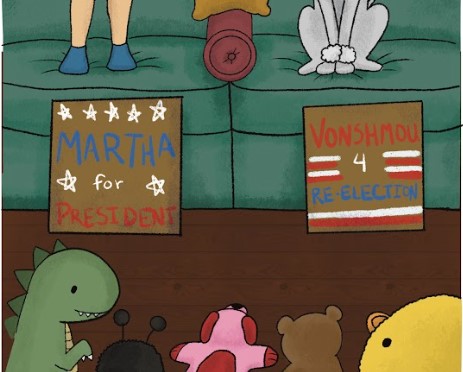
Can’t get enough of Mighty Martha and the Presidential Election? Here are some games and activities you can do to keep the campaign going.

1.) Mighty Martha Says

Played like Simon Says. Select one person who is going to give the commands, this person is “Mighty Martha. The rest of the players will follow the instructions given by “Mighty Martha.” Use the phrase “Mighty Martha says,’ before each physical action you want the players to follow. When you want to trick the players, do not say the phase “Mighty Martha says.” Don’t forget to take turns giving commands.

Commands can include:

  • Attention (straight posture, hand at forehead)
  • March
  • Jumping Jacks
  • Act like your driving a car
  • Presidential Wave
  • Push ups
  • Do a silly dance
  • Skip around

2.) The Great Debate

Separate the area into two distinct sides. Each side will represent the answer choice to the question. The players will decide which choice they prefer out of the two options given. For example, do you like dogs or cats? See which side “wins” or has the most votes. Feel free to use the attached free download for cue ideas.

3.) Hidden President

Split into two teams. At least two people are required to play. Divide your playing area into two separate sections. Each team is given an object to hide in their designated section. Each team has 30 seconds to 1 minute to hide their object. Once the objects are hidden, the team who finds the opposite teams object first wins.

The larger the playing area the more places there are to hide the object and can enhance the fun. Switch sides so each team can create new hiding spots.

Tip: Keep the object large enough to find but not too obvious. Suggested objects include but not limited to: shoe, toy car, small stuffed animal, pair of colorful socks, etc.

4.) Color your own voting booth

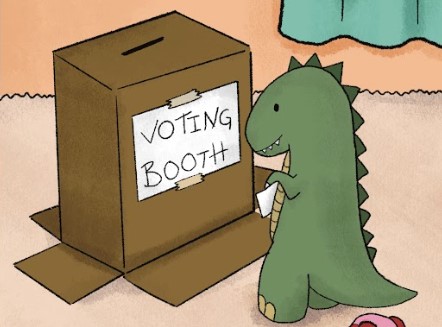
Take a cardboard box and remove or fold in the flaps of one side so the box can be standing up. Have an adult cut a small rectangular hole on the opposite side to create a space to insert ballots. Color and decorate your voting booth. For added fun, I’ve included two separate ballots.

5.) Vote for Martha Sign

Take a poster board and make your own sign for the front yard or bedroom door.

How to be Mighty?

Children possess a remarkable capacity for growth, learning, and making a positive impact on the world around them. By nurturing their innate abilities and encouraging them to take action, we can empower children to become mighty individuals who shape a better future for themselves and others.

Being mighty may be a characteristic but more times than not, it’s a choice. A choice, in a moment, to listen to that quiet voice in the back of your head and take action. But don’t forget, being mighty does not imply being mean. In this blog post, we will explore five actions that children can undertake to unleash their mighty Martha and discuss how these actions contribute to a brighter future.

1.) Random Acts of Kindness

Encouraging children to embrace kindness and empathy is a transformative action that can shape their character and positively impact society. By practicing empathy, children develop the ability to understand and share the feelings of others, fostering a sense of inclusivity and compassion. Small acts of kindness, such as helping a friend, being considerate of others’ feelings, or volunteering for a cause, create ripples of positive change and lay the foundation for a future marked by harmony and cooperation.

2.) Embracing Diversity and Inclusion:

In an increasingly interconnected world, embracing diversity and fostering inclusivity are fundamental actions for children to become mighty. Encouraging them to appreciate different cultures, beliefs, and perspectives helps break down barriers and promotes harmony. By developing open-mindedness and respect for others, children contribute to a future where equality and social justice prevail. Through friendships and collaborations across diverse backgrounds, they learn the power of unity and cooperation.

3.) Finding and Pursing Passions

Children possess unique talents and interests waiting to be discovered. Encouraging them to explore their passions cultivates a sense of purpose and fuels their motivation. Whether it be through sports, arts, writing, or any other pursuit, nurturing their talents allows children to develop their skills, boost self-confidence, and discover their strengths. By following their passions, children unlock their full potential and become empowered individuals who can make a meaningful impact on society.

4.) Embracing Learning and Curiosity:

Children have an innate sense of curiosity that fuels their thirst for knowledge and exploration. Encouraging them to embrace learning, both inside and outside the classroom, empowers them to become lifelong learners. By nurturing their curiosity, children develop critical thinking skills, problem-solving abilities, and a love for knowledge. These qualities equip them with the tools they need to face challenges head-on and make informed decisions, ensuring a future where innovation and progress thrive.

5.) Advocating for the Environment:

Environmental stewardship is a crucial aspect of a child’s journey towards becoming mighty. Encouraging children to take action in protecting the planet instills a deep sense of responsibility towards nature and the world they inhabit. Simple actions like recycling, conserving energy and water, planting trees, and spreading awareness about environmental issues create a sustainable mindset. By becoming eco-conscious citizens, children contribute to a greener future and inspire others to follow suit.

Conclusion:

Empowering children to take action and become mighty individuals is not only beneficial for their personal growth but also for the future of our society. By cultivating kindness, embracing learning, advocating for the environment, embracing diversity, and pursuing their passions, children become equipped to face the challenges of tomorrow with resilience, empathy, and innovation. By fostering these actions, we are nurturing a generation that will shape a brighter, more compassionate, and inclusive future for all. Let us inspire and support our children to be mighty and embark on a journey of making a positive difference in the world.